Friday, April 24, 2015

Pasta Primavera

Like fettuccine Alfredo, (and a number of other popular pasta dishes), Pasta Primavera is not a traditional Italian pasta dish. It is an American restaurant invention just slightly older than my daughter! The original recipe was "born" in 1977 at the New York restaurant Le Cirque, where it first appeared as an unlisted special before it was made famous through an article in the New York Times that included a recipe for it. That said though, the heart of many regional Italian pasta dishes include a variety of seasonal vegetables with no particular name. 

What is called Pasta Primavera, typically uses vegetables that are available fresh and in season in the springtime - Primavera, meaning Spring, in Italian. This is our version and it makes a nice light, very tasty, pasta dish. Experiment and play around with this. Include other seasonal vegetables and herbs. It's all good.


Ingredients

1/2 lb thin asparagus, cut in 2" pieces, (use just the tender top half of the spear)
1/2 medium sweet onion chopped
1 gold or red bell pepper, cut in 2" x1/2" pieces
2 medium zucchini, cut in 2" x 1/2" pieces
1 can or 1 package frozen artichoke hearts cut in quarters 
5 cloves garlic, minced
1 tablespoon fresh thyme, chopped fine and divided
1 tablespoon fresh flat leaf parsley, chopped fine
1/4 cup ricotta cheese
1/4 cup pecorino cheese
3 tablespoons + olive oil
1 tablespoon lemon juice
Salt and Pepper


1 box fettuccine or better, fresh homemade fettuccine. It's not difficult.


Instructions

Add some olive oil to a non-stick skillet and lightly saute each vegetable separately, seasoning with a little salt and pepper. Then remove to a bowl. Use the same pan. You don't want to overcook the vegetables, they should have some snap to them.

Saute them in this order -
1 - Onion and garlic
2 - Artichoke hearts - season with 1 teaspoon of the thyme
2 - Peppers
3 - Zucchini
4 - Asparagus (adding about 1/4 cup of water and letting them seam until tender, plus the lemon juice) 

Meanwhile, start the pasta water to boil and add the pasta to the water as soon as all the vegetables are done. Take out about a half cup of the pasta water and set aside.

Drain the pasta and add to the bowl that has the cooked vegetables. Stir in the ricotta. Add some of the pasta water to thin the ricotta out. Stir everything together adding more ricotta and pasta water if needed to make a creamier sauce. Taste for seasoning.

Add the pecorino cheese and the fresh parsley and stir again.

Serve in pasta bowls and enjoy!

We had some of the Norton wine from the experimental second pressing of last Fall's grapes. It made a pretty decent dry rosé.


Saturday, April 18, 2015

Pan Seared Spiced Okra with Cashews

Here is a wonderful way to prepare okra using some very aromatic spices.
   1/4 teaspoon ground cumin seeds
   1/4 teaspoon ground coriander seeds
   1/4 teaspoon ground fennel seeds
   1/4 teaspoon turmeric
   Pinch of cinnamon
   1/4 cup cashews roughly chopped
   2 tablespoons vegetable oil
   1 pound small okra, halved lengthwise
   Salt
   2 tablespoons fresh lemon juice

In a small bowl, blend together the cumin, coriander, fennel, turmeric, cinnamon.

In a large non stick skillet (or two, if necessary) heat the oil. Add the okra, and cook over high heat for 2 minutes. Reduce the heat to moderate and cook until browned, 4 minutes longer.
Stir and try to turn over as much of the okra as you can and cook over low heat until tender, about 2 minutes longer. Season with salt and sprinkle with the spice mixture.

Cook, stirring, until fragrant, 30 seconds.

Drizzle the lemon juice over the okra and add the cashews. Stir together and serve. 

Wednesday, March 4, 2015

Pan Seared Sea Scallops - the Basics

You don't have to go out to a fine seafood restaurant for wonderful pan seared sea scallops. They are a real treat but a little tricky to get done just right at home. Here is an easily understandable technique that makes pan searing scallops very approachable. ENJOY! 

Pan-Seared Scallops with Arugula Pesto


Cooking scallops so they get a nice crusty sear requires a hot pan so that they sear rather than steam. But they also need to be dry when they hit the pan. Most scallops you buy at the store have been soaked in a liquid solution that keeps them looking white. So you'll need to drain and rinse them thoroughly, then pat them dry with paper towels before you season them. If you're lucky, your seafood purveyor carries "dry-packed" scallops, which haven't been treated with this liquid. If so, you don't need to rinse them, just season them with a little olive oil, sea salt and fresh ground pepper and they're ready to cook. Scallops have an gristle like muscle,sometimes called a "foot" on the side. It's a tough little tab of meat that you should pull off before cooking because it can be kind of chewy. Once your scallops are dry and seasoned, heat a nonstick sauté pan - I like a well seasoned cast iron skillet, over medium high heat, and add a tablespoon of unsalted butter and a little vegetable oil. The oil/butter mixture needs to be very hot before you add the scallops. 


I have included a recipe for a base of roasted eggplant for extra flavor. Yes!

Serves 4

Ingredients
12 large sea scallops
1 tablespoon olive oil 
1 tablespoon unsalted butter
Sea salt 
Freshly ground black pepper

Directions
Place the scallops on a plate, drizzle with just a little olive oil (so the salt and pepper will stick) and season with salt and pepper. 
Heat a 12" non-stick heavy frying pan over a medium high heat and cook the scallops for 2 minute each side. 
A 12" skillet is better for this many scallops, they need to be uncrowded so they don't steam.

Make ahead of time - 

Arugula pesto
Makes 1/3 cup

Ingredients
1 large bunch arugula (about 1 packed cup), trimmed and coarsely chopped 
2 tablespoons extra-virgin olive oil 
1 small garlic clove, minced 
2 teaspoons freshly squeezed lemon juice 
1/2 teaspoon coarse salt 
Freshly ground pepper, to taste 

Directions 
Combine all of the ingredients together in a food processor fitted with a blade attachment and pulse until smooth. 

Eggplant spread
This silky dip gets its flavor from garlic and thyme, stuffed into slits in the eggplant before it's grilled. For a rustic look and feel, serve it on crispy grilled crostini.
Makes 3 cups 

Ingredients
3 medium eggplant (about 4 pounds), halved
4 cloves garlic, peeled and very thinly sliced lengthwise
12 1-inch pieces fresh thyme
1/4 cup extra-virgin olive oil
Kosher salt
3 tablespoons minced fresh herbs (a combination of parsley and basil)
2 tablespoons fresh lemon juice
Freshly ground pepper

Directions
Preheat oven to 400 degrees. 
Arrange eggplant cut side up on a baking sheet. 
Make slits in eggplant and insert garlic and thyme. 
Drizzle with 2 tablespoons oil. 
Season with 1/2 teaspoon salt. 
Bake until tender, about 1 hour. 
Remove from oven; let stand until cool, about 20 minutes.
Scoop flesh into a food processor. 
Add herbs, 2 tablespoons oil, and lemon juice. 
Puree until smooth. 
Pulse the ingredients with 1 teaspoon salt and pepper to combine. 
This will keep refrigerated up to 3 days. 
Serve with crackers or crostini, or as in this case as a base for the seared scallops.

Sunday, February 1, 2015

The Geometry of Pasta

I found this great resource web site for pasta, The Geometry of Pasta, and want to share it with you. This is their self description - 


"Geometry of Pasta shows you how to develop an instinct for matching the perfect pasta shape with the perfect sauce. 
Pasta is a simple thing but getting it just right can be tricky. We explain how to get the very best combination of taste and texture and to turn you from an average into a great pasta cook."
This website is a taste of what you will find in our book and our app (coming soon) also called The Geometry of Pasta."

There are plenty of on-line sites devoted to pasta, the history and background of the various shapes and sizes and how to sauce the different shapes the best way but I like how these folks put it all together. Clever and entertaining. 
  
Here is the link to their site - The Geometry of Pasta   Enjoy!

Friday, January 23, 2015

Pan Seared Fish and Grits


We typically have some kind of seafood on Fridays for dinner. We really like a curried seafood and rice thing we make - 
curry seafood with cilantro rice, but we were looking to do something different. Thought about shrimp and grits but decided to change it up and pan sear fish with the grits instead of shrimp. It turned out great. The key is getting a good crust seared on the fish. Tilapia is perfect for this because it can take a good quick sear and still stay moist inside. If you have issues with tilapia maybe use another fish. Trout would be good or catfish. Here is how we did it -  

Ingredients for the grits:

1 cup stone ground grits
4 cups water
4 tablespoons unsalted butter
1/2 cup shredded parmesan
1/2 cup shredded mozzarella
1/2 medium onion sliced
2 cloves garlic minced
Olive oil
1 tablespoon chopped fresh flat leaf parsley
Salt and pepper

For the tilapia:

2 tilapia fillets cut in two lengthwise 
Olive oil
Lemon juice
2 tablespoons chopped fresh cilantro
1/4 teaspoon hot chili pepper flakes - optional
Salt and pepper

For the grits:

In a small frying pan sauté the onion and garlic.
In a medium sauce pot, bring the water to a boil
Add the grits to the water, stir and reduce the heat to low. Cover loosely and cook for 20 minutes stirring frequently.
Remove the grits from the heat and stir in the onions, garlic, parsley, cheese and butter. Cover to keep warm..

For the fish

Brush the tilapia with olive oil and sprinkle with salt and pepper.
Heat a well seasoned cast iron or non-stick frying pan on medium high heat and add the tilapia.
Cook on one side until a nice brown crust develops, like in the photo below. Then turn and cook the other side the same way, about 2-3 minutes per side. Squeeze lemon juice on the fish while cooking.


Ladle grits onto individual plates and top with two pieces of the tilapia. Sprinkle with the chopped cilantro and chili pepper flakes if using and drizzle with olive oil.


Sunday, January 18, 2015

Stuffed Paccheri

Paccheri is a type of large tube pasta resembling short manicotti and common to southern Italian cuisine. Their size and shape make them very versatile so they can be served either with a chunky sauce or stuffed. Either way, they make an interesting and unusual plate presentation for friends. You probably won't find them in a supermarket but they are readily available at Italian food markets or from on-line Italian food web sites. I would recommend always having a variety of dried pasta shapes in the pantry. But, if you are a regular reader of this blog you probably already have half a dozen or more on the shelf.  : )
Paccheri can be stuffed with anything from cheese, to meat, to seafood, to vegetables and herbs in a variety of combinations. We made these filled with a mixture of ricotta and seasoned ground pork with a tomato sauce and topped with cheese. Use your own measured creativity for filling and the sauce ingredients. Just have a little fun with these things.

The ingredients below will make 22-25 paccheri with sauce. This will be enough for two people with left-overs (and you know this is even better the next day) or enough for 4 people with two sharing each crock. Our crocks are 6" diameter by 2 1/4" tall.

Ingredients for the stuffing:

1/2 lb ground pork 
1 1/2 cups ricotta cheese
1/2 cup shredded mozzarella cheese 
2 teaspoons fennel seeds crushed
1/2 teaspoon herbes de provence
I tablespoon fresh flat leaf parsley chopped
1 tablespoon pine nuts toasted
9 Kalamata olives pitted and chopped
Olive oil as needed
Salt and pepper

Ingredients for the sauce:

1 28 oz can peeled whole tomatoes preferably San Marzano
1/2 yellow onion diced
3 cloves garlic minced
1 tablespoon fresh chopped basil
2 tablespoons fresh chopped flat leaf parsley
1/2 teaspoon red pepper flakes
2 tablespoons olive oil
5 grape tomatoes cut in half, basically for looks but you could put one on top of each filled paccheri, that would be pretty cool.
Salt and pepper

Directions:

- Preheat the oven to 375
- Start the pasta water to boil

- Brown the ground pork along with the herbs and salt and pepper to taste
Scrape the meat into a bowl to cool but don't clean the pan just yet.
When cool, mix in the ricotta, mozzarella, fennel seeds, herbs de provence, parsley, pine nuts, olives and a little olive oil.

- Boil the paccheri for about 5 minutes, enough to make them pliable so they can be stuffed. They will finish cooking in the oven. Drain and put them in cold water to stop the cooking, this also allows them to cool and prevents them from sticking together. 

- In the same pan you browned the meat, add a tablespoon of olive oil and saute the onion and garlic. 
Add the tomatoes and their juice, crushing the tomatoes with your hands and mashing them in the pan with a wooden spoon.
Add the basil, parsley and salt and pepper.
Let simmer about 15 minutes or until ready to use

Brown the ground pork and add in the herbs.
Mix the browned pork and the cheeses together 
Spoon a little of the tomato sauce into the bottoms of the crocks.
Fill each of the paccheri with the stuffing mix and stand up on end in the crocks.
Spoon the rest of the tomato sauce around and over the paccheri.
Cover the top of each crock with mozzarella, pecorino, 5 of the grape tomatoes. Sprinkle with parsley and drizzle with olive oil.
Bake at 375 for 30 - 35 minutes.
Serve as individual crocks, spooning out the stuffed paccheri on to a separate plate. 

Saturday, January 17, 2015

Cast Iron Crispy Hash-Brown Cake with Fried Peppers

The cool thing about this hash brown cake is it has just the right balance between a crunchy outside and buttery inside. Cut this in wedges for serving. It is perfect for an unrushed weekend breakfast or brunch but really goes well with just about anything - especially as a side to a good steak. It also makes a satisfying vegetarian main course. 

Just a word of caution - this really has to be done in a cast iron skillet for best results. You will have to flip over the hash browns halfway through so become familiar and think through the procedure first or you might end up with a mess.

Ingredients

2 1/2 pounds (3 to 4) russet potatoes, scrubbed but not peeled
Fine sea salt
1 1/4 sticks salted butter
1/2 teaspoon freshly ground black pepper
1 medium sweet onion, diced
8 ounces green frying peppers, such as Hungarian wax, cubanelle or baby poblano, leave whole if small, halved if large. You can also find mixed color baby bell peppers in most supermarkets now days.

Directions

Put the potatoes in a saucepan and add enough water to cover generously. Salt the water, bring it to a simmer over medium heat, cover partially, and cook until the potatoes are tender enough to stick a fork into but still on the firm side of done, about 20 minutes. Drain the potatoes and let cool. (You can boil the potatoes up to a day ahead of time and keep them in the refrigerator, if you like.)

While the potatoes are cooking, clarify the butter
Heat the butter in a small skillet over medium heat until it foams and starts to turn dark blond on top, 2 to 3 minutes. Remove from the heat and let the butter sit for a few minutes. Then tilt the skillet toward you and gently spoon off the layer of foam. Pour the clear golden butter into another bowl, and then pour the dark dregs at the bottom of the skillet into the bowl containing the foam.

Grate the potatoes coarsely, skins and all, onto a baking sheet, making sure to keep them loose and not pack them down. Combine 1/2 teaspoon salt and the black pepper in a small bowl, sprinkle over the potatoes, along with the diced onion, and gently mix to combine.

Heat a 10-inch cast-iron skillet over medium-high heat, and add half of the clarified butter. Add all of the potatoes in an even layer, keeping them loose. Reduce the heat to medium and cook the potato cake until the bottom turns dark amber brown, about 15 minutes. (Peek on the sides: If it's browning too quickly, turn the heat down to medium-low.)

Be careful here because the cast iron skillet is going to be heavy and the handle will be hot - Put a large plate upside down over the skillet, and using two thick oven mitts, grab the sides of the skillet and turn it upside down, releasing the hash-brown cake onto the plate. Put the empty skillet back on the burner and add all but 1 tablespoon of the remaining clarified butter. Slide the potato cake back into the skillet. Cook until the underside turns dark amber brown, 10 to 15 minutes.

While the potato cake is cooking, fry the peppers: Heat a large saute pan over medium heat and add the remaining tablespoon of clarified butter. Add the peppers and 1/4 teaspoon salt, and cook, flipping them often, until they blister and feel tender throughout, about 10 minutes.

To serve, lay the large plate upside down over the skillet, and using oven mitts, invert as before. (If the first side was prettier, invert the cake again onto another serving plate.) Top with a jumble of fried peppers. Cut into wedges and serve immediately.

Monday, January 5, 2015

Agrodolce Carrot Ribbons with Chick Peas and Pine Nuts

This simple and very tasty side dish goes well with chicken, pork or fish. Let the onion and shaved carrots caramelize so their essential sweetness comes through. The addition of the white wine vinegar gives this dish a subtle sweet and sour flavor profile. Nice! Shave the carrots as thin as you can.
Ingredients

1 red onion, sliced thin
1 can chickpeas, drained
3 tablespoons olive oil
4 carrots, peeled and shaved into ribbons (using vegetable peeler or mandolin)
2 garlic cloves, thin sliced
Pine nuts, approximately one handful toasted
White wine vinegar, enough to drizzle
Parsley, a handful
Salt and pepper, to taste

Instructions:

Saute the sliced red onion and carrots in 2 tablespoon of olive oil on medium heat until the onions and carrots are caramelized. Remove to a bowl. 

Add the chickpeas to the pan with 1 tablespoon of olive oil and saute until browned. 

Add the carrots and onions back in and the garlic and stir occasionally for about 5 minutes

Meanwhile in a separate pan toast the pine nuts until golden.

Remove the carrot, onion, chickpea mixture from the heat. 

Drizzle with the white wine vinegar, then add parsley and the pine nuts and stir together. 

Salt and pepper to taste.  

Adapted from a Food Network Recipe 

Sunday, January 4, 2015

Mashed Pinto Beans

If you are planning a Mexican themed dinner, there's going to be some kind of bean dish, maybe a couple different ones. This is our easy go-to replacement for crappy pasty gummy refried beans. You will love this!

 
Ingredients:

1 tablespoon olive oil
1/2 medium onion, diced
4 cloves garlic, minced
1 teaspoon chili powder
1 teaspoon cumin
2 (15-ounce) cans Goya brand pinto beans, drained and rinsed
1/2 - 1 cup low-sodium chicken broth, plus more if needed
Squirt of the juice of half a lime 
Salt and pepper
3 tablespoons chopped fresh cilantro leaves

Red pepper flakes as you like
Shredded Colby jack cheese

Directions:


Heat the oil in a large skillet over medium heat.
 
Add the onion and cook until tender, about 3 minutes. 

Stir in the garlic, chili powder and cumin. Cook for 1 minute more. 

Stir in the beans and chicken broth and cook until the beans are warmed through, about 5 minutes. Mash the beans COARSLY with a potato masher or the back of a wooden spoon, adding more chicken broth to moisten, if needed. This should be sloppy not gummy.

Season with salt and pepper, to taste. Stir in the cilantro. 

On the plate, add some red pepper flakes and shredded cheese - 


Thursday, January 1, 2015

Herb Encrusted Pork Roast and Sides

There are a few of things we always make for New Years Day - roast pork, lentils, roasted or pan fried potatoes, corn bread and some kind of greens, either collards or mustards. Trying to combine traditional southern Italian with traditional American southern New Years. Also, had prosecco, couldn't get any moonshine...

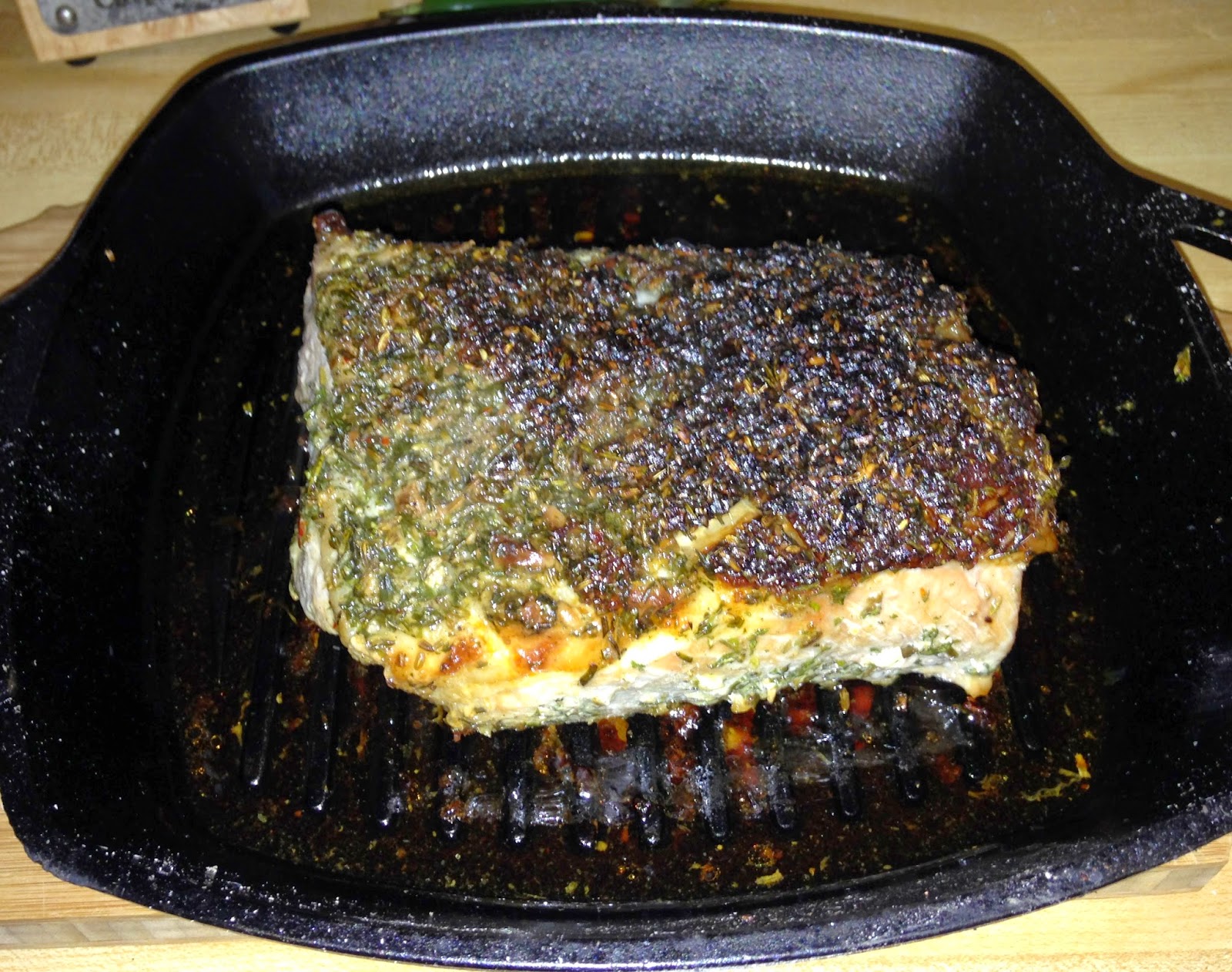
This is how I did the pork roast - The herb mixture is made up of ground fennel seeds, rosemary, lemon zest, light brown sugar, minced garlic, flat leaf parsley, red pepper flakes, olive oil, salt and pepper. Mix all the dry ingredients together in a bowl and the add enough olive oil to make the herbs moist and spreadable. The day before cooking, score the top layer of fat and rub the herbs all over the roast and down into the score marks. 
Lisa made the potatoes, mustard greens and corn bread.  I cooked the the pork roast and lentils in the clay oven.  
Cooked the lentils in the pignata and made a dough lid. The ingredients in the lentils were minced carrot, onion, garlic, pancetta, rosemary, a bay leaf and chicken stock.
Cooked the pork roast in a cast iron skillet. 

Removed the lid and spooned the lentils into a serving dish.


Sunday, December 28, 2014

Fried Pasta Ribbons

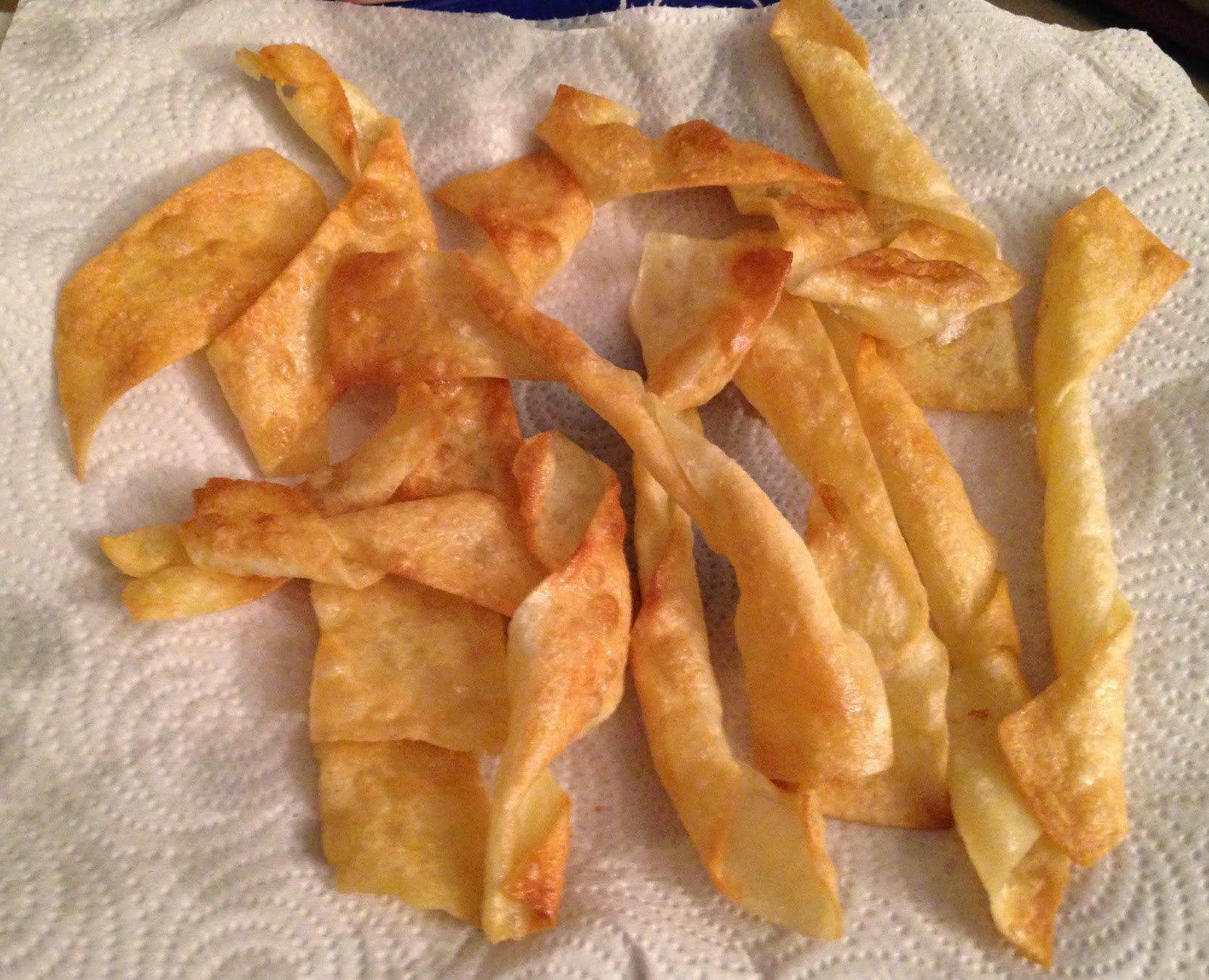
We had some leftover pasta dough from sheets we had rolled out for lasagna recently and put in the freezer. Lisa suggested we cut them into strips, give them a twist and fry them. Great idea! Here is how they turned out after being fried in olive oil. We left half of them plain and half sprinkled with powdered sugar. 

We dipped the plain strips in a garlicky tomato sauce. A melted cheese sauce, pureed white beans or hummus would work well too. The sugar dusted strips are good with a cup of coffee. 

Thursday, December 25, 2014

Rustic Lasagna Baked in Cast Iron Skillets

For Christmas Day dinner we planned on making lasagna, and in keeping with the Homegrown, Homemade, Good Stuff for the Soul theme of this blog, we wanted to make sure we made as much from scratch as we could and include as many ingredients that we had grown ourselves - the tomato sauce had Roma tomatoes, garlic, basil, fennel seeds, oregano, a Calabrese pepper and parsley all from our garden, and the wine was from our Norton grapes. We made the pasta and rolled the lasagna sheets out with a pasta machine. And now that we have a wood-fired clay oven, it only seemed appropriate to bake the lasagna in it. Using cast iron skillets gave the lasagnas a very cool rustic look and cooking them in the wood-fired oven gave them a wonderful warm, but not smokey, aroma. We will be making them this way again! 
This will make enough for two 10" lasagne, for four to six people. 

I baked this for about 40 minutes in the clay oven, keeping an eye on it. 

*** To make these in a conventional oven, preheat to 375 and bake for 30 - 35 min.

So, here we go, follow along -

Ingredients for the pasta (or use store bought dry lasagna noodles)
3 cups all purpose flour
2/3 cup water
1 egg

Ingredients for the lasagna
tomatoes
grape tomatoes
onion
garlic
basil
flat leaf parsley
fennel seeds
oregano
Optional - hot chili pepper (keep whole)
2 Italian sausage links, casing removed
1 lb ground chuck
ricotta
mozzarella
pecorino
olive oil
salt and pepper

Procedure

Make the pasta dough by measuring the flour into a mixing bowl and forming a well in the middle. Add the egg and water to the flour and work them together until you get a raggedy dryish dough. With the help of a spatula, dump the dough out and on to a firm work surface and knead the dough for about 10 minutes (a plastic dough scraper is handy here) until it all comes together in a smooth firm ball. It will be stiff and difficult to work with at first  but don't add any more water until you see how the dough is forming up. You don't want it to be sticky and the moisture will be distributed better after it rests. Wrap it in plastic wrap and let the dough rest for about half an hour. 

While the dough is resting, put the sauce together - brown the meats and saute the onions.

Then roll the dough out into sheets with a pasta machine. Take it down to #6 - not too thin and not too thick and lay the sheets out to dry,maybe another 30 minutes.
Quick boil/blanch the pasta sheets for 1 minute
And immediately put in cold water to stop the cooking.
Quick boiling the fresh pasta sheets firms them up while at the same time giving them an elasticity. This is good because it makes them easy to work with and they wont easily tear. They also won't get mushy while cooking. Lay them out on damp kitchen towels.
The browned sausage and ground beef
For the sauce, used Roma tomatoes we grew in our garden this summer and froze, garlic, onion, basil, fennel seeds.
Cook the sauce until it is fairly dry.
Layer the ingredients just like a typical lasagna but start with a tablespoon of olive oil to coat the bottom of the skillet and up the sides. 

1 - A sheet of pasta and a layer of tomato sauce
2 - Add the sausage and beef mixture
3 - Then ricotta, mozzarella and pecorino and dusted with a little oregano

Repeat the layer and top with sliced grape tomatoes, cheese and parsley. Drizzle with olive oil


Oh yah! On the plate with some homemade wine.