Sunday, October 20, 2019

Mason-Dixon Salmon

Bringing the North and South together we experimented and used toasted Georgia Pecans, Pennsylvania Maple Syrup and a little Pennsylvania rye whiskey to make a sweet crunchy sauce to spoon over pan seared salmon filets - so, Mason-Dixon Salmon was born. Aren't we clever? 

We picked up a nice big jug of Hillegas Maple Syrup when we went to the 72nd annual Pennsylvania Maple Syrup Festival in a little town called Meyersdale in the beautiful Laurel Highlands of Pennsylvania. We didn't even know that Pennsylvania was a big producer of maple syrup! 

And we had to add a little of our favorite small batch Pennsylvania rye whiskey made right here in Pittsburgh by family run Wigle Whiskey.

Ingredients - 

Salmon filets - 2
Whole Georgia Pecans - toasted then roughly chopped - 2/3 cup 
Pennsylvania Maple Syrup about 1/3 cup
Pennsylvania Rye Whiskey - 1 teaspoon
Squirt of lemon juice

Here's what you do, and it couldn't be simpler - 

In a bowl, combine the maple syrup, chopped pecans, rye whiskey and lemon juice.
Note: you can play with the quantities to make more because you might find yourself sampling to much of this before using it on the salmon! 

Sear the filets in a pan with a little butter and olive oil

Spread the mixture on top of the salmon filets and serve with grilled fresh green beans and wild rice mix.


Saturday, October 19, 2019

Red Pot Roasted Chicken and Vegetables


You will love this! It's one of our favorite go-to comfort meals. Hearty enough for a cold Sunday in January but light enough for a Saturday in June. We call it "Red Pot" chicken for no other reason than we originally made it in a red porcelain Dutch oven and the name seemed appropriate. (We made this one in a Calphalon pot).

As you can see from the ingredient list there is a good variety of garden vegetables that all play well together and cook down with the herbs, chicken juices and seasonings to produce a delicious sauce that must be sopped up with good crusty bread. The chicken is moist and tender but develops a wonderful crisp skin and the meat falls off the bone .

Ingredients:

2 - 3 Bone in, skin on, chicken breasts
Soft herb and garlic cheese like Alouette or Rondele 
3 medium zucchini
2 yellow or orange bell peppers
1 lb fresh Roma tomatoes
3 celery stalks - use the top leaves too
3 tablespoons olive oil
1 large onion - roughly chopped
3 Garlic cloves crushed
8 Sun dried tomatoes in olive oil drained and cut in half
11 Kalamata olives pitted and cut in half
1 teaspoon dried oregano or 1 tablespoon chopped fresh (which we used)
2 tablespoons balsamic vinegar
1 teaspoon paprika
Salt and fresh ground pepper

Directions:

Preheat oven to 375 F

Loosen the skin on each chicken breast without removing it, making a pocket. Push the soft herb garlic cheese under the skin of each breast, spreading it in an even layer.

Cut the zucchini into 1 inch thick rounds
Cut the bell peppers into 1 inch wide strips. 
Quarter the tomatoes lengthwise
Cut the celery stalks on a bias into 2 inch long pieces.

Heat the olive oil in the casserole. Add the onions and garlic. Sauté stirring frequently for about 5 minutes.

Add the zucchini, peppers and celery. Cook for about 5 more minutes.

Stir in the Roma tomatoes, the sun dried tomatoes, olives, oregano and balsamic vinegar. Season with salt and pepper. Stir it all together.


Put the chicken breasts on top of the vegetables, drizzle with the rest of the olive oil, season with salt and sprinkle with the paprika.

Bake for 1 hour covered then remove the lid and cook for a half hour more or until the chicken is golden, cooked through and tender.

Serve with ciabatta or other good crusty bread.  ENJOY!

Monday, September 30, 2019

How to Make Asparagus Pizza. Yes, Asparagus Pizza.

If somebody says, "Hey, let's have pizza for dinner!", chances are pretty good that they didn't mean "Hey, let's MAKE a pizza for dinner." (unless they live here...), and even more unlikely, "Hey, let's make an asparagus pizza!". But after you find out how good this tastes and how easy it is to make, I know you will want one. Here are two similar asparagus pizzas. They look pretty cool don't they? Good to serve at a party as a second or third pizza option or when you just have friends over and want to look like you really know what you're doing.


Pre-made pizza crust, pencil asparagus, garlic, green onions, chives, mozzarella, olive oil

OR


Pre-made pizza crust, asparagus, garlic, ricotta cheese, mozzarella cheese, pecorino cheese, olive oil

This is a white pizza with asparagus as the primary topping. White pizza typically has an olive oil, garlic, herb and cheese base instead of tomato sauce. We love tomatoes but enjoy white pizza too because it is so versatile, can have a stronger flavor punch and is a good way to change things up. It makes a great base for toppings like pancetta, prosciutto, anchovies, arugula, roasted peppers, sun dried tomatoes, artichoke hearts, olives, caramelized onions - not all at the same time - the fewer ingredients, the better. But you get the idea. 

Ingredients for the asparagus pizza:

Pre-made pizza crust (we like Boboli for ease, taste and look, BUT you can also make your own crust from scratch if you are feeling scratchy) - 

Extra Virgin Olive Oil
3 cloves of garlic minced
Crushed red pepper flakes
1 bunch of pencil asparagus - the thinner the better
1 cup shredded mozzarella
2/3 cup ricotta cheese
1/3 cup grated pecorino cheese
Salt & pepper

Preheat oven to 450. Use a pizza stone if you have one.

Saute the garlic and red pepper flakes in olive oil on medium heat for 3 minutes. 

Stir the garlic and pepper flakes along with the olive oil they were sauteed in into the ricotta. Add a pinch of salt and pepper.

Spread the ricotta mixture over the pizza crust

Trim the thicker ends off the asparagus and arrange on top of the pizza.

Add the mozzarella and the pecorino and drizzle olive oil over the top.

Bake for 8 - 12 minutes or what time the crust package recommends.

Enjoy!

Sunday, September 1, 2019

Sicilian Tuna Steaks


My daughter kept telling me that we needed to check out the tuna steaks they have at Aldi - good price and great quality.  Well, this past week we bought some. She suggested a method she and my son-in-law use that sounded great. They use a particular peppercorn as a key ingredient they found at an Asian food store. We didn't have any of those peppercorns so decided to look on line for other interesting ways to cook the tuna. We found a few we thought would be good and made some modifications.


Fresh tuna steaks, the thicker the better, are best done seared in a screaming hot cast iron skillet for just a few minutes per side.  They are usually served with a simple sauce. This version is different and this is no ordinary sauce. After searing the tuna, it is briefly and gently simmered in a tomato-based aromatic sweet and sour sauce. 

The recipes we liked used these ingredients - dried fruit (golden raisins), tomatoes, lemons, capers, olives and pine nuts and are ingredients found in southern Italian and particularly Sicilian cooking. We've used all of them in other recipes but we improvised a little. We used some dried tangerines instead of raisins. Trader Joe’s sells them as well as Amazon of course and if you haven’t tried them, you’re missing out on a real treat and they went perfectly with this dish.

Briefly, here's how it's done - 

Quickly sear the tuna steaks, and set them aside.

Sauté the onions and garlic in some olive oil until the onions soften slightly.  

Add the white wine and let cook down for a couple minutes. 

Add the tomatoes, capers, olives, lemon zest and dried tangerine. Simmer this mixture for a few minutes to let the juice thicken up a bit and to allow the flavors to mingle. 

The sauce is now ready. Gently nestle the tuna steaks in the sauce, cover the pan and simmer for about 2 minutes.  You want the tuna to remain nice and pink inside so you do need to watch it. When you’re ready to serve, pull the tuna out of the sauce and toss in the fresh herbs, give it a good stir and simmer for about 1 minute. 

Spoon some of the sauce on the plate with the tuna on top or spoon over each steak.
Note - You don't usually see fresh tuna simmered in a sauce because it’s difficult to keep the tuna nice and pink.  But this recipe works and it’s just simply delicious. We served this with a side of pasta dressed with garlic, herbs and olive oil. Polenta would work very well with this too as well as arborio rice made into a risotto with fish sauce.

This sauce can be made ahead and reheated. I think it might taste even better if you made it the day before. It’s a nice option to have.
Here is the step by step - 
Servings: 4

Ingredients - 
1/4 cup extra-virgin olive oil
1 tablespoon canola oil
1 to 1 1/4 pounds of tuna steaks, at least 1-inch thick (about 4 -6 small) 
Salt and freshly ground black pepper to taste
1 cup sliced onions (about 1 large onion)
1/4 cup chopped dried tangerines (use golden raisins if you can’t get the dried tangerines)
Zest from 1 lemon and the juice from the lemon to squeeze over the tuna
4 garlic cloves, minced
2 tablespoons capers, rinsed and drained
10 Castrovetrano olives, sliced
1 lb fresh tomatoes chopped or a 15-ounce can diced or crushed tomatoes
1/2 cup water, use as needed to thin sauce if necessary
1/4 cup dry white wine
3 tablespoons fresh basil leaves, chopped
2 teaspoons fresh oregano, chopped
1/3 cup pine nuts - toasted
½ lb pasta, we used linguine (alternately, you could use basmati rice or polenta)


- Heat a heavy, medium skillet (prefer cast iron) over moderately high heat. Add the canola oil and let it warm.
- Season the tuna with salt and pepper; sear for 2 minutes per side, or until both sides are golden and the center is still pink.
- Remove the tuna and set aside. Do not clean the pan.


- Using the same pan, sauté the onion with the garlic and lemon zest in the olive oil, stirring frequently until just tender, about 2-3 minutes. Deglaze with the white wine and let cook down.


- Add the capers, olives, dried tangerine slices and tomatoes. Continue cooking, for another 2 -3 minutes.
- Let simmer for a couple more minutes until the sauce thickens and has some body.


- Return the tuna to the pan, nestling the tuna down in the tomato sauce. Squeeze some lemon juice over the tuna from the lemon you zested. Cover with a tight-fitting lid. Continue to cook over low heat until the tuna reaches the desired doneness, 2 to 3 minutes for medium.
- Remove the tuna to a serving plate.


- Add the fresh herbs to the sauce and season to taste with salt and pepper; stir well.


- Set the tuna on top of the sauce on a plate or spoon it over the top of the tuna; garnish with the pine nuts.

NOTE: It’s important that the tuna steaks are at least 1 inch thick…the thicker the better, as the tuna will be less likely to overcook. The sauce can be prepared early in the day, or even the day before then the tuna can be done just before serving, simmered briefly in the sauce.


Saturday, July 20, 2019

Pork Belly with Rye Whiskey and Maple Syrup Glaze

Oh Boy! 

Pork Belly roasted low and slow, glazed with a mix of pure maple syrup and Pennsylvania rye whiskey. Served with roasted baby red potatoes and baked granny Smith apples.


Just three simple ingredients - Sea salt, Maple Syrup and Rye Whiskey

 Make a series of crisscross cuts through the fat cap and sprinkle with sea salt

Marinate overnight in maple syrup and rye whiskey

Roast on a rack low and slow in oven - 250 degrees for 4 hours

Slice into pieces, just about falls apart


Monday, July 15, 2019

Alice Waters

“When you have the best and tastiest ingredients, you can cook very simply and the food will be extraordinary because it tastes like what it is.” 

Monday, July 1, 2019

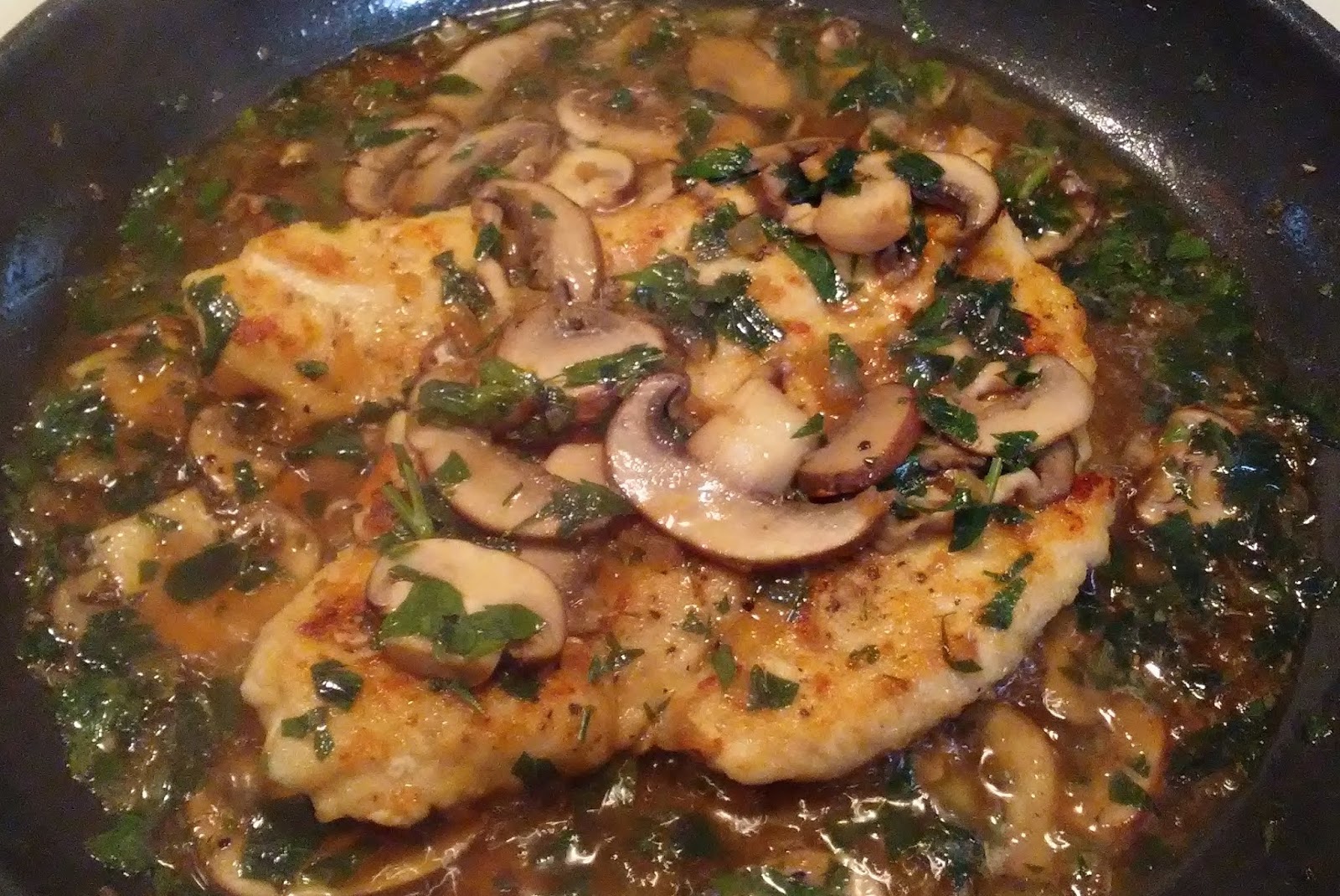
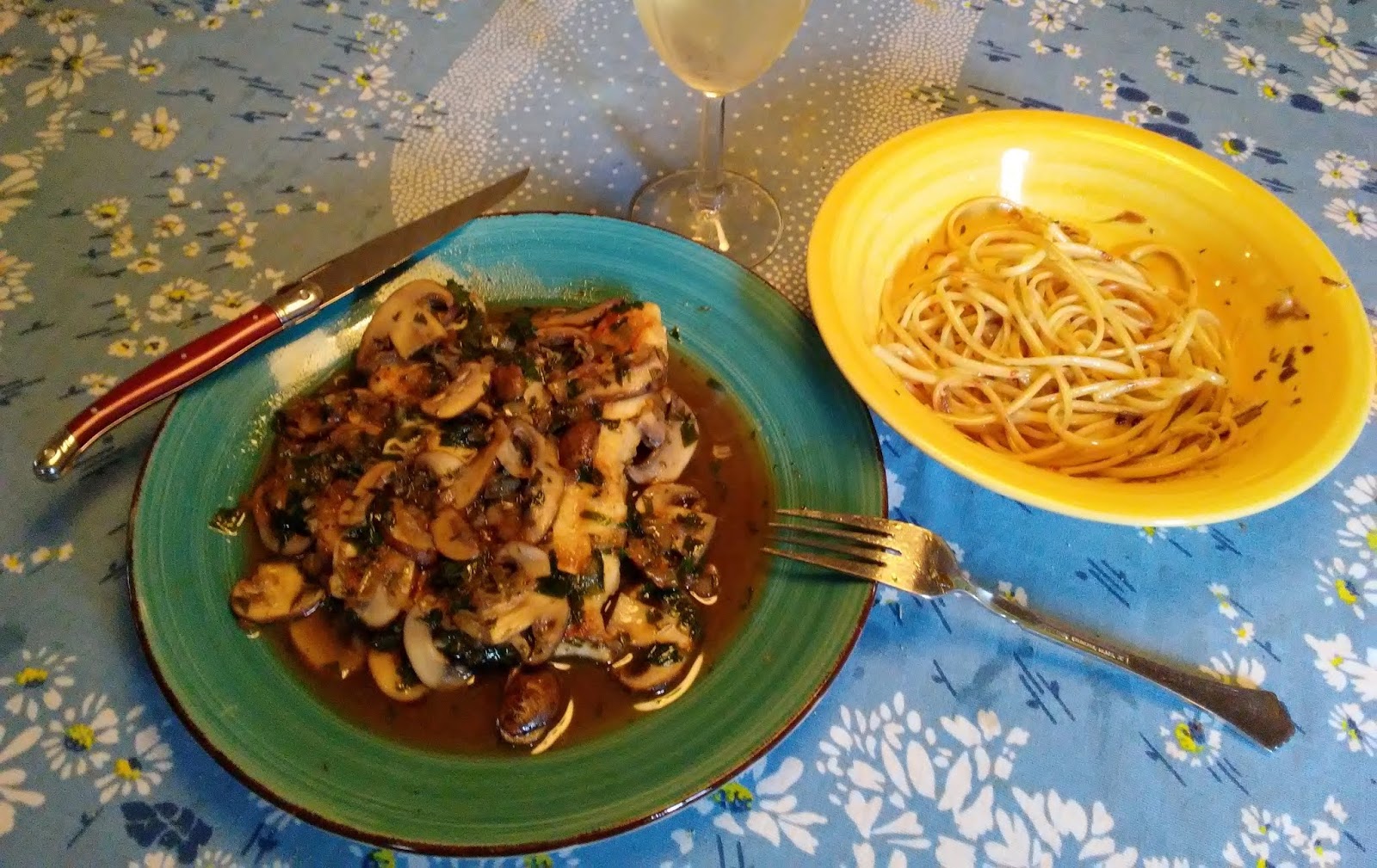
Chicken Piccata


This is another one of those dishes that looks classy and sophisticated on the plate but is simple and easy to prepare. 

Chicken or veal piccata, like chicken or veal Marsala and chicken or veal Francese are staples in Italian-American restaurants. The basic preparation for all of them is the same - thinly sliced and pounded meat that is dusted in flour then sauteed in olive oil and butter with wine. The difference is the flavor ingredients. For chicken piccata the flavor ingredients are capers, parsley, lemon juice and a dry white wine. I used Pinot Gigio.


 Ingredients (for two people)

  • 2 boneless, skinless chicken breasts cut into cutlets and pounded about 1/2 to 1/4 inch thick 
  • 3/4 cup homemade chicken stock or low-sodium store-bought broth
  • 1 1/4 cups dry white wine 
  • salt and freshly ground black pepper
  • About 1 cup all-purpose flour for dredging
  • 1/4 cup extra-virgin olive oil, plus more if needed
  • 3 tbsp capers
  • 1/2 cup Minced fresh parsley

Directions - 


Tuesday, May 14, 2019

Cast Iron Steaks

Just a quick food porn post. Here's a video of two bone in strip steaks I cooked in a cast iron skillet on the side burner of our gas grill. Make sure you have the sound on. Nothing else needs said...


Wednesday, May 8, 2019

Chicken Marsala


Chicken Marsala (and it's "cousin", Veal Marsala), is a staple in every Italian-American restaurant. Sophisticated as it seems and delicious as it is, it is a simple dish to prepare, made with just a few ingredients - chicken cutlets, sliced mushrooms, minced shallots, thyme and parsley and it's namesake - Marsala wine. At its heart, though, it's just a basic chicken-with-pan-sauce dish.The key, though, is paying attention to what you are doing because things come together quickly.

First a little interesting background. The British deserve at least partial credit for the creation of chicken Marsala, even if that might make more than a few Italians cringe. The dish, which has its roots in Sicily, cannot be made without Marsala wine, which is a wine produced specifically around the city of Marsala in Sicily. And that's where the British influence comes in - they were instrumental in spreading fortified wines like Port and Marsala around the world to their various colonial outposts. Because of its higher alcohol content (thanks to a good dose of hard liquor), fortified wine was able to withstand, and to even be improved by, weeks and months on the open sea. In the case of Marsala specifically, an Englishman named John Woodhouse was responsible for deciding to sell a fortified version of the local Sicilian wine abroad. Eventually that wine found its way into the kitchen, and chicken Marsala was born. 

Start by preparing the chicken cutlets and browning them well. Most supermarkets and butchers sell cutlets already prepared, but you can easily make your own from skinless, boneless chicken breasts by slicing the breasts in half horizontally. 
.
Here is some advice from a recipe I found on line that is helpful - 
"In most chicken Marsala dishes, it's also customary to lightly dredge the cutlets in flour before browning them. There are advantages and disadvantages to doing this: The flour can help act subtly to thicken the final pan sauce, but it can also slightly dull the sauce's flavor. The flour also speeds browning by providing a drier (and therefore more browning-prone) surface than the chicken itself, but it's the flour that's browning, not the chicken. That's a mixed blessing. Faster browning is good, since chicken cutlets are thin and cook through rapidly—the quicker you can brown the exterior and get them out of the pan, the better. But since the flour is browning more than the chicken itself, your sauce won't be as flavorful as it would be if it was just the plain chicken protein making contact with the pan.That being said, I still prefer the flour step. If the cutlet is dredged lightly, the flour doesn't affect the sauce's flavor enough to sacrifice the insurance it gives against overcooking, especially with a lean protein like chicken breast, which can quickly take on the consistency of cardboard. On top of that, the flour coating changes the texture of the cutlets themselves, giving them a silkier exterior. To me, that silky exterior is an essential quality of chicken Marsala."

Right after browning the chicken and removing it from the pan, it's time to brown the mushrooms. Mushrooms do not brown quickly. They're loaded with moisture and have to dump it first before any real browning can begin. Being patient and waiting until all that mushroom liquid has cooked off and the slices turn a deeper chestnut color is essential to getting a good, rich flavor in the final dish. Otherwise, it'll taste like steamed mushrooms, and that's not a good thing. As soon as the mushrooms are browned, I add minced shallots and cook them just until translucent.

Now it's time to add the Marsala. While you can certainly drop plenty of cash on a top-notch Marsala, it's easy to find bottles that are good enough to drink and still cost a song. DO NOT USE super market Marsala cooking wine!!! I bought mine - a very drinkable Marsala - for five bucks. About a cup or a little more to the mushrooms and shallots will do the job.

 Ingredients

  • 1 1/4 cups Marsala wine 
  • 3/4 cup homemade chicken stock or low-sodium store-bought broth
  • 2 boneless, skinless chicken breasts cut into cutlets and pounded about 1/2 to 1/4 inch thick 
  • salt and freshly ground black pepper
  • About 1 cup all-purpose flour for dredging
  • 1/4 cup extra-virgin olive oil, plus more if needed
  • 8 ounces cremini (baby bella) mushrooms, thinly sliced
  • 1 medium shallot, minced
  • 1 teaspoon minced fresh thyme leaves
  • 3 tablespoons cold unsalted butter, cut into cubes
  • Minced fresh parsley, for garnish

Directions

  1. 1.
    Combine Marsala and stock in a mixing bowl or large measuring cup. Set aside.
  2. 2.
    Season chicken cutlets all over with salt and pepper. Pour a roughly 1/2-inch layer of flour into a wide, shallow bowl. Dredge each cutlet in flour, tap off excess, and transfer to clean plate.
  3. 3.
    Heat olive oil in a large skillet over medium-high heat until shimmering. Working in batches if necessary, add chicken and cook, turning once, until browned on both sides, about 3 minutes per side. Using a slotted spatula, transfer to paper towels to drain.
  4. 4.
    Add the sliced mushrooms and shallots to the skillet along with the thyme (do not drain remaining oil) and cook, stirring frequently, until mushrooms have released their juices and browned well, about 10 minutes. Add more oil if pan seems too dry at any point.
  5. 5.
    Pour Marsala mixture into pan. Bring to a boil, whisking and scraping up any browned bits from bottom of pan, until liquids are reduced by about three-quarters. Add butter and whisk constantly until emulsified and sauce takes on the consistency of heavy cream. Season with salt and pepper. Taste sauce and adjust as needed.
  6. 6.
    Return chicken cutlets to pan, swirling to bathe them in the sauce and warm them through. Transfer to a warmed serving plate, spooning sauce and mushrooms all over chicken. Garnish with parsley and serve.


Thyme, parsley, shallot


with a side of pasta, or better yet, polenta


Thursday, May 2, 2019

Dandelion Greens and Ramps with Spaghetti


Or Spaghetti with Dandelion Greens and Ramps, whatever you want to call it, it is a simple delicious dish! I've written about ramps before, see - Springtime is Ramp-time.  


Monday, April 15, 2019

Brunswick Stew

Ah, Brunswick Stew that mysterious concoction born in the South that so wonderfully compliments smoked pork ribs or pulled pork BBQ. Brunswick Stew has many variations so it's difficult to pin down exact ingredients but essentially there's a meat, or a combination of meats - pork, chicken, beef, rabbit, even squirrel and possum, and a few vegetables like corn, butter beans - baby Lima beans to Yankees, green beans, okra or potatoes and who knows what else, all in a tomato sauce base with a tart sweet-sour background. Like BBQ sauce, it all comes down to the seasonings in the right proportions and balance that make this stuff sing. 


Here's a little more background just to confuse things even more. There are a couple schools of thought on where Brunswick Stew originated
1 - On St Simon Island, Brunswick, Georgia there is a monument with the original pot the first Brunswick Stew was actually cooked in in 1898.
2 - Another story claims a Virginia state legislator's chef invented the recipe in 1828 on a hunting expedition. 
3 - Then there's a goofy story about England's Queen Victoria loving a Brunswick Stew that was made in someplace in Germany. Really?

We are going with the Brunswick Stew from Georgia story because, well damn, they still have the original pot it was cooked in. 


This is our take, but not putting in seasoning amounts because that is all in the hands of the cook.... So just use this as a guide, go easy on the seasonings and taste along the way. The brown sugar and apple cider vinegar give it the sweet and sour background. You can see, however we chose not to use rabbit (although it is available, maybe next time) or squirrel or possum (we like live possums).

Ingredients - 

1 - 2 lb ground pork
1 - 2 boneless chicken breasts minced or ground chicken
Tomato sauce or canned diced tomatoes
Ketchup, yes ketchup (per Paula Dean)
Light brown sugar
Bragg's apple cider vinegar
Worcestershire sauce
Ramps about 7 - 9 - optional because of availability
Ramp wine - optional because of availability
1 medium sweet onion finely chopped
Fresh corn cut off the cob - 2 - 3 cobs worth
1 cup butter beans, OK, baby Lima beans
Sticky Fingers (or comparable) Mustard base BBQ sauce
Chili powder
Hot red pepper flakes
Shot or two of Rye Whiskey or Bourbon 
Vegetable oil
Salt and Pepper to taste along the way

Brown the ground pork and chicken in a little oil in a Dutch oven and remove when done
In the same Dutch oven add a little vegetable oil and saute the onions, butter beans, corn, ramps, ramp wine. 
Add back the meat
Add some tomato sauce and stir together
Add the rest of the ingredients plus add water if it is too thick.
Keep tasting and adding a little more of what you think it needs - more brown sugar if too tart, more apple cider vinegar if too sweet. 
Cover and cook on a low simmer for an hour or so checking for consistency and taste along the way.

Have fun and ENJOY!!!

Maryland Style Crab Cakes


I think you will agree crab cakes are a real treat. With warmer weather coming, summer is near, well, pretty near and that's good enough for me. To us, certain foods just speak summertime. Crab cakes are one of them. This is not an old family recipe or a friend's secret recipe. We looked at a number of preparations and came up with one of our own using ingredients we felt would play well together give the best straight forward flavor to the crab. The simple sour cream lime sauce is a nice addition and pulls it all together. We think you will like them.  

Ingredients – (makes 6 crab cakes, but we made 6 plus a runt with what was left...)

1 lb. jumbo lump or back fin lump crab meat, fresh or pasteurized
1 large egg
1/4 cup mayonnaise
1-1/2 tsp Dijon mustard
1-1/2 tsp Old Bay seasoning
1 tsp fresh lemon juice
1/2 tsp Worcestershire sauce
Sea salt
1-1/4 cups fresh breadcrumbs - from soft white sandwich bread
1 Tbsp chopped fresh flat-leaf parsley
2 Tbsp unsalted butter
1 Tbsp olive oil 
Lemon wedges for serving - optional

Sour cream lime sauce -

1 cup sour cream mixed with the zest and juice from 1 lime 

Preparation –

Drain the crab meat, if necessary, and pick through it for shells. Put the crab in a medium mixing bowl and set aside.

In a small bowl, whisk the egg, mayonnaise, Dijon mustard, Old Bay seasoning, lemon juice, Worcestershire sauce, and 1/4 tsp. salt. Pour the mixture over the crab and mix in gently until well combined. Do not over mix.

Sprinkle the breadcrumbs and the parsley over the mixture, and mix them in thoroughly but gently with your hands; try not to turn the mixture into a mush—it should still be somewhat loose. Cover with plastic wrap and refrigerate for 1 to 3 hours. Shape the crab mixture into 8 cakes about 1 inch thick.

And place on wax paper on a cookie sheet then into the freezer for an hour. Cooking in 350 degree oil from frozen insures everything stays together. 


In a 12-inch nonstick skillet, heat the butter with the olive oil over medium heat. When the butter is frothy, add the cakes to the pan (8 should fit comfortably but don’t overcrowd). Cook until dark golden brown on the underside, about 4 minutes. Flip the cakes, reduce the heat to medium low, and continue cooking until the other side is well browned, 4 to 5 minutes. 


Serve with a dollop of the sour cream lime sauce. 


Possible Sides - Jasmine rice or roasted baby potatoes, coleslaw, sautéed zucchini or pan fried escarole or rainbow Swiss chard.